
What is Umrah in Islam? Meaning, Pillars & Significance | AlNomadi Tourism
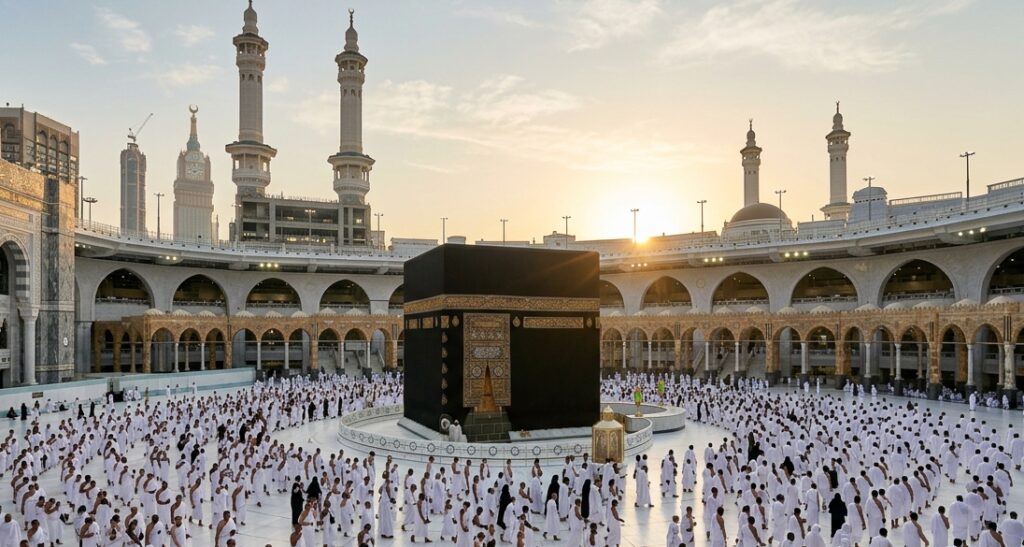
Millions of Muslims all over the world undertake the journey to Makkah every year, for one sole reason Umrah. At AlNomadi Tourism, we often see how this sacred journey transforms lives through peace, reflection, and devotion. Of the many peaceful, emotional, and spiritually charged journeys in Islam, Umrah ranks highest. However many a novice has still not understood and asked the following: “What is Umrah in English?”. In layman’s terms, Umrah is an optional pilgrimage to Makkah and involves undertaking specific rituals with a devotion, dedication and much love of Allah. Unlike everyday traveling, each stage of an Umrah pilgrimage carries with it a meaning and purpose and reward of spirituality. It isn’t just a journey of the body; rather it’s a journey of the soul, and Muslims return lighter, focused and refreshed spiritually. What Does Umrah Mean in English? “Umrah” is English for minor pilgrimage. Traveling to the city of Makkah is going for pilgrimage to the holy city and performing prayers to the holiest mosque of Islam Masjid al Haram. Hence when anyone searches for what is Umrah in English then it is to clarify that it means that Umrah is the Islamic non compulsory holy pilgrimage to Makkah to take part in the acts of worship with a pure heart so that sins are forgiven, so that one may get rewarded and blessed with Allah’s approval and that may help achieve spiritual enlightenment. Umrah isn’t some type of travel, rather it entirely works on ‘niyyah’, worship and compliance with Allah. A Spiritual Journey That Changes Lives Umrah is not merely a religious obligation, but it’s a highly spiritual feeling. Muslims often claim that it’s a feeling where the heart reaches contentment and tranquility. One of the aspects that is really touching in Umrah is the equality that is maintained between the Muslims. When a person gets into the state ofIhram, everyone gets to wear simple white clothing. No extravagance, no class-distinction, no distinction between the poor and rich. All stand before Allah as the same. Why Muslims Perform Umrah: The Prophet Muhammad (PBUH) encouraged Umrah because it removes sins and increases spiritual reward when performed sincerely. Many believers describe it as a “reset for the soul.” The 4 Pillars of Umrah Umrah is a journey composed of 4 obligatory parts: 1. Ihram: Entering the state of sanctity Ihram is the entry into the state of pilgrimage. Ihram is not merely a form of dress it is a spiritual and disciplinarian state. The male pilgrims have to wear 2 white unstitched cloths while female pilgrims wear the Islamic dressing which properly covers them. When performing Ihram: no pilgrims is allowed to: Spiritual meaning of Ihram: Ihram has taught man humility and equality and entire surrender to God. It proves to man that before God, all human beings are equal. 2. Tawaf (Circling the Kaaba) Tawaf is the act of walking around the Kaaba seven times in a counter-clockwise direction. Kaaba is in Masjid al-Haram. This means millions of Muslims throughout history and everywhere in this universe in one united front before God, walking around one center. What Tawaf Represents: The realm of emotions: Tawaf is often the most emotional aspect of Umrah. It is a time where people weep as they supplicate to Allah, because they feel closest to him at that particular point of time. 3. Sa’i(Walking between Safa and Marwah) Sa’i is the practice of walking between two small hills, Safa and Marwah, seven times. This is when people ask: “What is sai in Umrah?”. This is where we see the struggle Hajar (AS) went through to find water for her child Ismail (AS) while running between the two hills, and how Allah blessed her in her efforts with Zam Zam water. Lessons learned from Sa’i: 4. Halq or Taqsir (Hair Cutting) The final pillar is Halq or Taqsir. Meaning of This Step: It represents the completion of Umrah and spiritual renewal. The pilgrim leaves behind past sins and begins a fresh spiritual life. It is a symbol of: To go through a comprehensive practical guide, please look at our detailed step-by-step Umrah procedure guide which covers each step of Umrah right from Ihram to Halq. Where is Umrah Performed? Umrah is only performed in the holy city of Makkah in Saudi Arabia. Location / Area Purpose in Umrah Description Masjid al-Haram (Kaaba and surrounding area) Tawaf (circling the Kaaba) The holiest mosque in Islam where pilgrims perform Tawaf around the Kaaba. Safa and Marwah hills Sa’i ritual The two hills where pilgrims walk back and forth seven times, remembering Hazrat Hajar’s (AS) struggle. Miqat boundaries Entering Ihram Designated stations where pilgrims must enter the state of Ihram before proceeding to Makkah. It’s a holy site visited by millions of Muslims annually and one of the most holy sites on Earth. When Can You Perform Umrah? Perhaps one of the most beautiful aspects of Umrah is the lack of restrictions, in terms of timing. You can carry out Umrah: Best Times for Umrah: This flexibility allows Muslims from all backgrounds to plan their journey easily. Is Umrah Fard or Sunnah? Most of the scholars believe that Umrah is Sunnah (recommended) rather than Fard (obligatory). Meaning: It is not obligatory like Hajj It is, however , a Sunnah and is recommended. It has tremendous rewards Most of the Muslims try to perform Umrah once in their lifetime for spiritual gains. The Significance of Umrah in a Muslim’s Life Umrah is far more than simply a spiritual act-it’s a profoundly spiritual experience. Benefits of the pilgrimage include: The vast majority of pilgrims will feel and look transformed when they leave. Many readers also wish to know the difference between the Hajj and the Umrah, therefore we list the main differences in religious and practical terms. Why Muslims throughout the world observe Umrah Muslims carry out Umrah with a multitude of purposes and with varied feelings and sentiments: Each individual journey is however different while the central theme